THD staff offered cash to sneak cargo, passengers aboard, COI hears
THD official stresses need to say no and stay strong amid wharf offers, CoI hears
November 26 2026
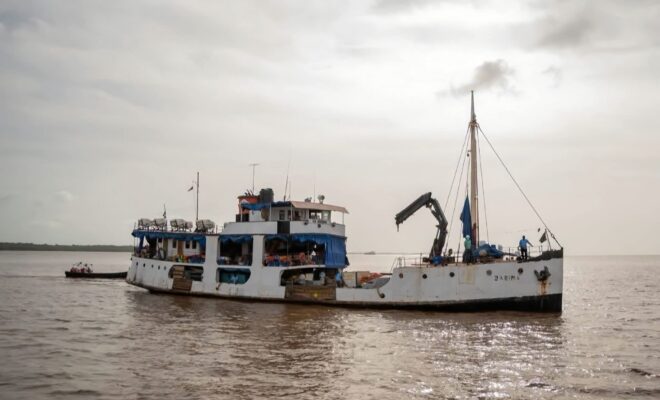
Assistant Traffic Superintendent Michelle Reid has called on Transport and Harbours Department staff to stand firm and reject bribes aimed at slipping extra passengers and cargo onto vessels bound for the North West District, telling the Commission of Inquiry into the capsizing and sinking of the MV Barima that wharf workers face intense emotional and financial pressure ahead of sailings.
Testifying about sailings to Region One, which operate only once every fortnight or sometimes once a month, Reid said delays and limited schedules leave travelers and shippers desperate to move people and goods before departure.
She stressed that employees on the wharf must actively monitor operations and turn down improper offers rather than bending rules under pressure.
“We have a boat going into Northwest every fortnight or sometime once a month. So with the frustration of the public and wanting to get this stuff there by any means necessary, you have to be very, very, very careful. You have to be out there. You have to say no. You have to monitor,” Reid told the commission.
Pressed by commissioners to explain what she meant by “by any means,” Reid detailed the emotional appeals and cash offers directed at staff when space runs tight.
“People would literally cry. People would beg. People would say, oh, they’re going for funeral. Their mother’s sick. This happening to them, that happening to them, a whole host of problems. You understand? And they would even want to offer you stuff to go on the vessel, but you have to be strong out there,” she said. “Okay, they would offer money to go up.”
Reid added that THD staff do not receive revenue-linked bonuses, making personal discipline and constant presence on the wharf essential during “crunch time” before sailing. She recounted occasions when captains had to pull up gangway stages as individuals fought to push freight aboard.
According to Reid, passenger seating on the MV Barima accommodates roughly 80 travelers, although long transit times prompt many riders to bring hammocks or place mattresses on the floor. Each passenger is allowed up to three pieces of luggage and is barred from putting cargo on passenger benches.
Reid testified that ticket verification has been tightened over the years from recording names without identification to scanning passengers’ identification cards and photographs into a database. She also stated that cash payments are not permitted at the vessel’s gangway, requiring passengers instead to pay through the cashier or Mobile Money Guyana.
At the same time, Reid acknowledged gaps during her own inspection when she boarded the MV Barima on July 18. All passengers had already embarked without an announcement reaching her in the office, she could not confirm whether non-passengers and porters had been cleared before tickets were torn at the stage, and she noted that THD relies on ticket sales rather than mechanical clickers to count boarding passengers.