Ninvalle heading to Panama for IOC/INTERPOL workshop
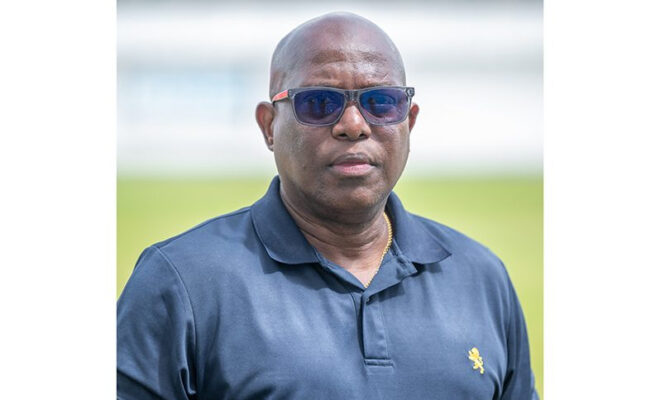
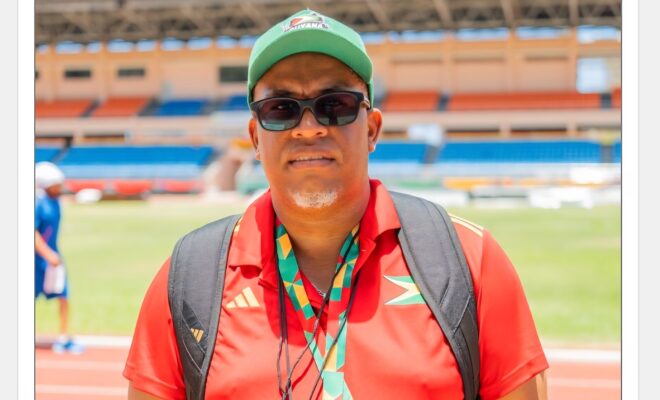
Vice President of the Guyana Olympic Association (GOA), Steve Ninvalle, is scheduled to attend a high-level workshop hosted by the International Criminal Police Organization (INTERPOL), scheduled for October 1–2 in Panama.
According to a press release, the workshop is being organized in collaboration with the International Olympic Committee (IOC), under its Olympic Movement Unit on the Prevention of the Manipulation of Competitions which is at the heart of the event.
The importance of this workshop cannot be overstated. Competition manipulation, often driven by organized crime and illegal betting markets, has damaged the credibility of several major sports.
Additionally, it brings together National Olympic Committees (NOCs) from Guyana, Puerto Rico, Trinidad and Tobago, Panama, the Dominican Republic, Jamaica, and Mexico. Participants will include Olympic Association officials, representatives from Ministries of Sport and Justice, as well as law enforcement agencies invited by INTERPOL.
Ninvalle is also Guyana’s Director of Sport and president of the Guyana Boxing Association. A respected accross the Caribbean as a sports administrator, Ninvalle was the first from CARICOM to be elected to the International Boxing Association (formerly AIBA) Executive Committee. The multi-sectoral approach by the IOC and INTERPOL underlines the seriousness of the issue, recognizing that safeguarding sport requires cooperation across sport, government, and law enforcement.
INTERPOL, working closely with the IOC since 2014, has been at the forefront of fighting match-fixing and other forms of corruption in sport. Their joint efforts have focused on strengthening investigative capacity, sharing intelligence, and educating sports bodies about the dangers of manipulation.
For instance, the 2013 Europol investigation uncovered widespread match-fixing across European football, linking over 380 matches to organized crime syndicates. Similarly, in tennis, the Independent Review Panel found systemic cases of players being targeted by betting groups to influence match outcomes.
These examples highlight how manipulation not only undermines fair play but also threatens athletes’ careers, fans’ trust, and the financial stability of sporting institutions.
INTERPOL has had to intervene in many of these instances by providing intelligence support, facilitating cross-border investigations, and building frameworks to help sports organizations respond effectively.
Through its cooperation with the IOC, INTERPOL has delivered global training programmes, created awareness campaigns, and worked directly with law enforcement and NOCs to ensure athletes and officials understand how manipulation occurs and how it can be prevented.
For countries like Guyana, participation in such workshops is crucial. It ensures that sports administrators and government officials are equipped with the knowledge and tools to protect athletes and competitions from being exploited.