Rupununi Ranchers launch Anti-Rustling Hotline
-Appeal for drones and camera traps amid tour guide murder probe
By Michael Jordan
Rupununi ranchers have established an anti-rustling hotline to allow residents to report cattle theft safely and anonymously, as concerns grow over organized livestock crime in Region Nine.
The initiative, led by the Rupununi Livestock Producers Association (RLPA), encourages members of the public to report suspicious transportation or slaughter of cattle, strangers found with animals not belonging to them, and any activity believed to be linked to rustling.
Reports can also include photographs or videos—provided it is safe to do so—along with images of stolen cattle brands, vehicle licence numbers, and descriptions of suspected rustlers.
“Every report helps protect our communities, ranchers, livelihoods, and food security in the Rupununi.”
The hotline number is +592 603 1448.
However, the RLPA has urged residents to prioritize their personal safety while gathering information.
“Do not put yourselves at risk. Your safety comes first.”
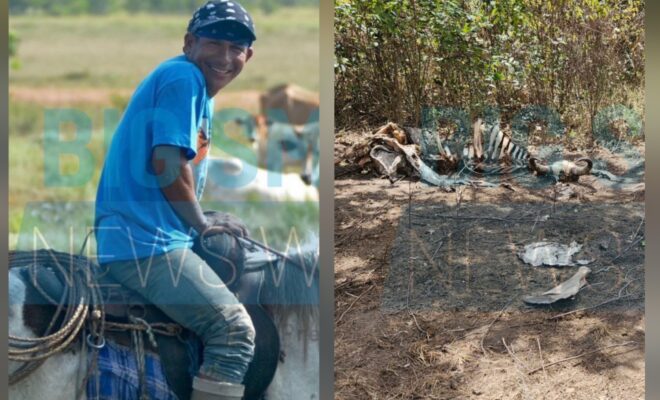
The move follows the brutal murder of popular tour guide and ranch employee Leon ‘Rasta’ Baird, whose burnt remains were discovered inside a vehicle at Sand Creek, Rupununi, on Sunday, January 26.
Baird, who was reportedly also a Rural Constable, is believed to have been killed during a confrontation with cattle rustlers who had stolen livestock from Wichabai Ranch, where he had worked since his early teens.
According to individuals close to Baird, he had previously identified some of the alleged rustlers and claimed they had threatened his life.
“He would say he wanted to catch them (in the act) because he knew who they were,” one associate told Big Smith News Watch.
“He had been threatening to expose them and they had been threatening to kill him. This issue (cattle rustling) is one that he died for.”
Investigators have since detained a cattle rancher’s son and a well-known beef supplier, who were taken into custody on Sunday, February 1, at the Lethem Police Station. A third individual was reportedly questioned on Tuesday, February 3.
DEVASTATING LOSSES
Cattle rustling has reportedly plagued ranchers across both Small and Large Rupununi for years, inflicting heavy financial losses on livestock owners.
“If you only have five cows and someone steals them, that devastates the small cattle holder, and we’ve had such reports. Bigger ranches with hundreds of cows can easily lose up to 30 animals per year, and ranches with thousands can lose hundreds per year.”
Ranchers say limited resources hinder their ability to combat theft and monitor large grazing areas.
“Communities and ranchers are trying, but we are under-resourced. We would like to have surveillance equipment, including camera traps and drones,” which many small cattle owners cannot afford.
“Some ranchers who have applied for firearms since 2019 are still awaiting approval.”
RUSTLERS’ TRICKS
According to reports, cattle thieves use multiple methods to steal livestock across the savannahs.
“Sometimes at night, they would ride through an area under the pretext of buying cattle. So, they would buy a few cows, but when they are riding through the savannahs, they would pick up other people’s herds.
“They would sometimes also shoot the cows in the night and load them on Canters or ATV, or they would kill them in remote areas in the savannahs, and skin and quarter them, which is what we believe ‘Rasta’ saw.
“This is the most common way now.”
Stolen beef is reportedly sold to dishonest butchers in Lethem, near Guyana’s border with Brazil, despite laws regulating the slaughter and sale of meat.
Regulations require individuals to obtain a slaughter form from the Lethem Police Station, provide proof of ownership or sale, and process animals through the abattoir.
“But what is happening is that certain people are bringing in beef directly to certain butcher shops.”
Authorities have also noted continued disregard for the Cattle Stealing Prevention Act, which allows police to demand the skin of a slaughtered animal within 48 hours. Failure to comply can result in fines between $25,000 and $50,000, or imprisonment for up to 10 years.
The law further requires individuals transporting cattle on public roads to report at every police station they pass and provide details on the animals and their destination.