India takes aim at youth social media addiction
February 8 2026
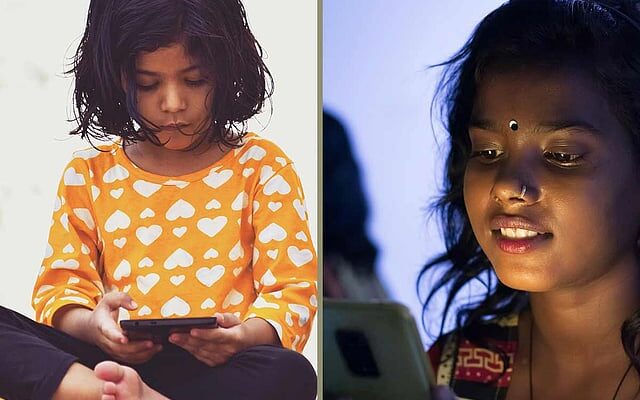
India is witnessing intensifying calls from policymakers, child welfare advocates and state governments to tighten controls on social media use among children, amid rising concerns over digital addiction, online safety and mental health impacts.
At the centre of this debate is a private member’s bill introduced in Parliament by a lawmaker allied with Prime Minister Narendra Modi, aiming to ban social media access for children under 16 years of age.
The proposed Social Media (Age Restrictions and Online Safety) Bill would prohibit users younger than 16 from creating or maintaining accounts, and would require platforms to implement robust age verification systems to enforce the restriction.
Parallel to the legislative push, several state governments are taking their own initiatives. In Maharashtra, the state’s IT minister has tasked a multidisciplinary panel with studying age-based limits on social media use, mental health ramifications, online safety risks and global regulatory models, affecting an estimated 4 crore children under 18 in the state alone.
In Karnataka, the health minister has called for a national debate on regulating social media use among schoolchildren, citing Australia’s recent decision to ban social media for under-16s as an example in protecting youth well-being.
At a recent cybercrime awareness conference in Hyderabad, advocacy groups argued that a ban or tighter restrictions could help curb online child exploitation and exposure to harmful content. Speakers also emphasized leveraging technological tools to detect and prevent abuse online.
These developments come amid warnings from official Indian policy documents. The Economic Survey 2025–26 flagged “digital addiction” among youth as a growing public health concern, noting excessive screen time and social media engagement can correlate with anxiety, reduced concentration and other impacts on education and wellbeing. Though not calling for an outright ban, the survey urged age appropriate access limits and stronger platform safeguards.
Support for stricter rules is reflected in public sentiment as well. A recent survey of parents found that about 47 % reported their children spend three or more hours daily on social media and related digital platforms, and 66 % felt stronger data protection and consent rules were needed to oversee minors’ online activity.
Critics and civil liberties advocates, however, warn that outright bans could push children toward covert or unregulated alternatives, raise enforcement challenges and risk overreach without corresponding digital literacy and parental support measures. Legal experts also note that India currently has no nationwide prohibition on minors’ social media use, leaving the matter for legislative and policy determination.
As the global conversation on child digital safety gains momentum with countries such as Australia and Spain implementing age based social media limits India appears poised to chart its own path, balancing online freedom, child protection and digital growth in one of the world’s largest internet markets.