Iran’s supreme leader killed in U.S.–Israeli strikes
February 28 2026
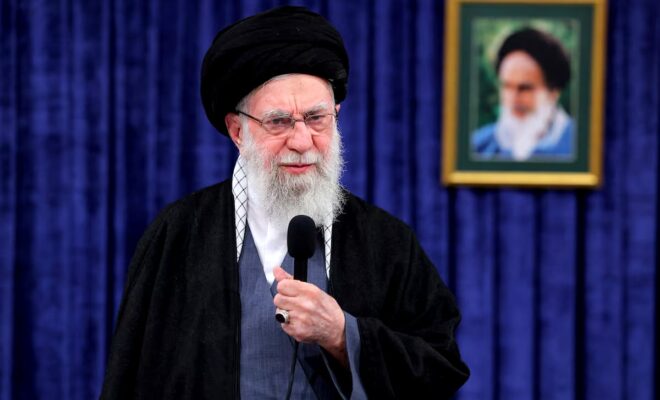
Iran’s highest authority, Supreme Leader Ayatollah Ali Khamenei, has reportedly been killed in a barrage of coordinated military strikes carried out by the United States and Israel, according to multiple senior Israeli officials and Western news agencies. The reports mark an unprecedented escalation in Middle East tensions and could plunge the region into a prolonged crisis.
The claims of Khamenei’s death emerged late Saturday, when a senior Israeli official told Reuters that the body of the 86-year-old leader had been recovered from the rubble of his destroyed compound in Tehran following joint U.S. Israeli air and missile strikes. U.S. President Donald Trump publicly confirmed the operation’s success in a social-media statement, describing it as a “turning point” for Iran and an opportunity for Iranians to “take back their country.”
Israeli Prime Minister Benjamin Netanyahu said in a televised address that there were “many signs” Khamenei was “no longer alive,” adding that strikes had also targeted top Iranian military figures and nuclear-linked sites.
Israeli officials reported that several senior leaders, including key commanders of the Islamic Revolutionary Guard Corps (IRGC) and defense officials, were killed in the operation.
However, Iran’s government has disputed the reports. Tehran’s foreign minister described the strikes as “illegal” and insisted that almost all senior officials, including Khamenei and President Masoud Pezeshkian, remain alive and uninjured though this has not been independently verified by Western sources.
Khamenei, who succeeded founder Ayatollah Ruhollah Khomeini in 1989, wielded absolute authority over Iran’s political, military, and religious institutions for more than three decades. His reported death if confirmed leaves no designated successor in place, raising immediate questions about the future governance of the Islamic Republic and the constitutional process by which the clerical Assembly of Experts must now convene to choose a new leader.
The attack, described by U.S. and Israeli officials as part of a broader effort to degrade Iran’s nuclear capabilities and diminish its influence in the region, triggered retaliatory strikes by Iran against Israeli and U.S. positions across the Middle East, including missile launches and drone assaults.
The United Nations Security Council convened an emergency session on Sunday, with Secretary-General António Guterres warning that further escalation could have “grave consequences.” European leaders and regional actors, including France and Oman, urged a return to diplomacy to prevent a wider conflict.
Markets reacted sharply to the news, with oil prices spiking amid fears of disruption in the Gulf, and world governments scrambled to assess the implications for international security and energy stability.
As of this writing, independent confirmation of Khamenei’s death remains pending, with Iranian state media scheduled to broadcast official statements later today.