UK Prime Minister resigns after less than two years in office
June 23 2026
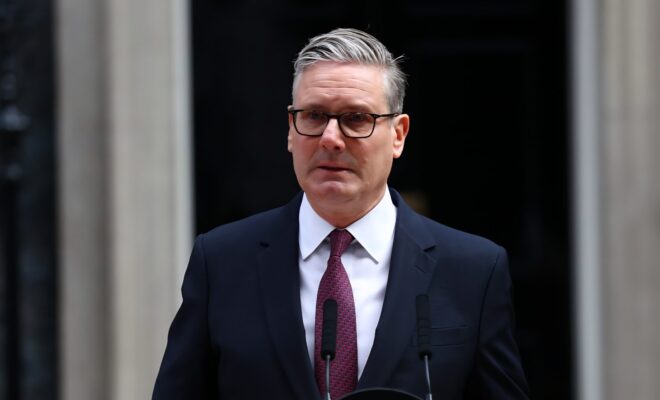
British Prime Minister Keir Starmer has announced his resignation, bringing an abrupt end to a premiership that lasted less than two years after Labour’s landslide general election victory in 2024.
Starmer said he would remain as caretaker prime minister while the governing Labour Party selects a new leader in the coming weeks.
In an emotional statement outside 10 Downing Street, Starmer acknowledged that many within his own party no longer believed he was the best person to lead Labour into the next general election. His departure follows months of mounting pressure from Labour MPs, declining public support, disappointing local election results, and growing concerns over the rise of opposition parties.
Starmer’s resignation marks yet another chapter in Britain’s recent period of political instability.
Once a symbol of stability after years of Conservative Party turmoil, his government struggled to maintain momentum amid challenges including economic pressures, immigration concerns, healthcare demands, and internal party divisions.
Critics accused his administration of lacking a clear long-term vision, while supporters pointed to his efforts to restore Labour’s credibility and strengthen Britain’s international standing.
Attention has quickly shifted to Andy Burnham, the former Mayor of Greater Manchester, who is widely regarded as the frontrunner to succeed Starmer as Labour leader and, consequently, prime minister.
Several senior Labour figures have already thrown their support behind Burnham, although a leadership contest could still take place before Parliament returns from its summer recess.
Political analysts note that Starmer’s resignation will make Britain’s next leader the country’s seventh prime minister since the 2016 Brexit referendum, underscoring a decade marked by frequent leadership changes and political volatility.
Despite concerns about the economic implications of another transition in government, financial markets have so far reacted cautiously, with investors watching closely for signs of policy continuity from Labour’s eventual successor.
The Labour Party is expected to formally begin its leadership selection process in July, with a new leader anticipated before Parliament reconvenes in September. Until then, Starmer has pledged to oversee an orderly transfer of power and ensure government stability during the transition.