Social media ban announced for under-16s in the UK
June 23 2026
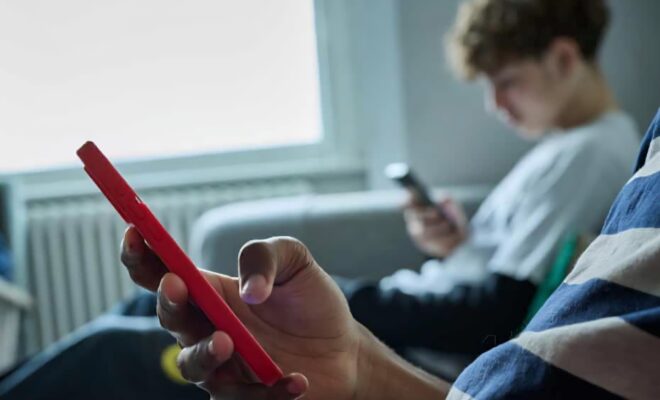
The UK Government has announced a landmark plan to ban children under the age of 16 from accessing major social media platforms, marking one of the most sweeping online safety measures ever proposed by a democratic nation.
The policy is aimed at protecting young people from harmful online content, cyberbullying, addictive platform features, and potential mental health risks.
Prime Minister Keir Starmer said the move represents a major step toward safeguarding children in the digital age. The Government argues that social media has contributed to rising concerns about youth wellbeing and has pledged to prioritize families over technology companies.
Under the proposed rules, platforms including TikTok, Instagram, Facebook, Snapchat, YouTube, and X would be prohibited from offering services to users under 16. Messaging services such as WhatsApp and Signal are expected to remain exempt, while educational platforms and child-specific services like YouTube Kids will continue operating.
The Government also plans to introduce additional protections for older teenagers. Features such as livestreaming, unsolicited communication from strangers, and certain AI-powered “companion” chatbots will face new restrictions for users under 18.
According to official government figures, public support for the policy is strong. A national consultation found that nine out of ten parents support a social media ban for under-16s, while roughly two-thirds of young people agreed that children under 16 should not have access to at least some social media platforms.
The new measures are expected to be introduced in Parliament before the end of the year, with implementation targeted for Spring 2027. Enforcement will be overseen by Ofcom, which is currently working with the Government to determine how age-verification systems will operate.
Potential methods include facial age estimation, digital identification checks, and other verification technologies.
While child-safety advocates have welcomed the announcement, critics have raised concerns about privacy, enforcement challenges, and whether young people will simply find ways to bypass restrictions. Some campaigners argue that technology companies should focus on creating safer platforms rather than imposing blanket bans.
If enacted as planned, the UK’s policy would become one of the strictest social media restrictions for minors anywhere in the world and could influence similar legislation in other countries.