Hormuz tensions escalate as US strikes Iran again
July 14 2026
The conflict between the United States and Iran intensified on Tuesday after U.S. forces launched a fresh wave of airstrikes on Iranian military targets, while Tehran responded with new attacks on commercial shipping in and around the strategically vital Strait of Hormuz, raising fears of a wider regional conflict and further disruption to global energy markets.
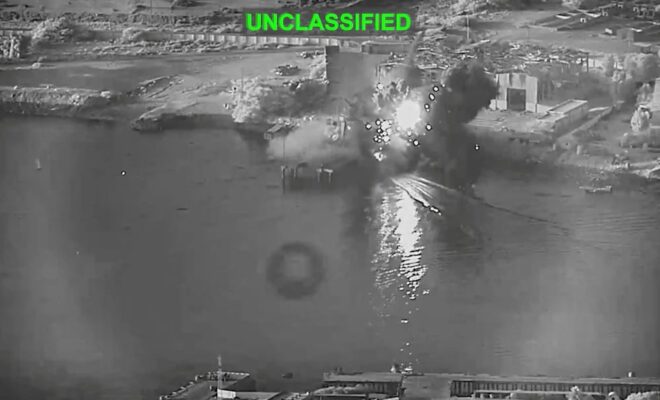
According to the U.S. Central Command (CENTCOM), the latest operation targeted Iranian missile launch sites, drone infrastructure, and coastal military positions believed to pose a threat to international shipping. The strikes mark the third consecutive night of U.S. military action against Iran as Washington says it is seeking to protect freedom of navigation through one of the world’s busiest oil transit routes.
Iran responded by launching attacks on additional commercial tankers transiting the Strait of Hormuz. Authorities in the United Arab Emirates reported that at least two vessels were struck by Iranian missiles, with casualties reported among their crews.
Tehran has defended its actions as retaliation against what it describes as unlawful U.S. military aggression.
The Strait of Hormuz carries roughly one-fifth of the world’s seaborne oil supply, making any disruption a major concern for global markets. Oil prices climbed as investors reacted to the growing risk of prolonged instability across the Gulf region, while several international shipping companies began reassessing routes through the waterway.
U.S. President Donald Trump has maintained that military operations will continue until attacks on commercial shipping cease, while also saying that a diplomatic resolution remains possible. However, the renewed exchange of strikes has cast serious doubt on recent efforts to de-escalate tensions between Washington and Tehran.
Governments across Europe, the Middle East, and Asia have urged both sides to exercise restraint, warning that continued escalation could trigger broader regional instability, threaten global energy security, and disrupt international trade.