Former Cuban President charged for killing Americans in 1996
May 20 2026
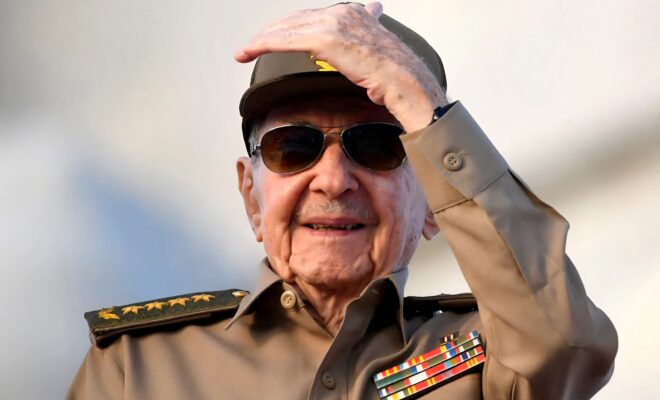
Former Cuban President Raúl Castro has been indicted by the United States Department of Justice on charges tied to the 1996 shootdown of two civilian aircraft operated by the humanitarian exile group Brothers to the Rescue, in a case that has remained one of the darkest chapters in U.S.-Cuba relations.
According to U.S. federal prosecutors, Castro who served as Cuba’s defense minister at the time faces charges including conspiracy to kill U.S. nationals, murder, and destruction of aircraft in connection with the February 24, 1996 attack that killed four men aboard the unarmed planes.
The aircraft, operated by the Miami-based humanitarian organization Brothers to the Rescue, were reportedly flying over international waters near Cuba when Cuban Air Force fighter jets intercepted and destroyed them. All four occupants Carlos Costa, Armando Alejandre Jr., Mario de la Peña, and Pablo Morales were killed in the incident, which sparked global outrage and condemnation from the international community.
Investigations by the International Civil Aviation Organization (ICAO) later concluded that the planes were shot down outside Cuban territorial airspace and that no warning was issued before the attack. The ICAO also found that international aviation law prohibits the use of weapons against civilian aircraft.
The indictment marks the first time senior Cuban leadership has faced criminal charges in the United States over the deadly incident. Previous prosecutions largely targeted lower-ranking officials and operatives linked to the attack.
U.S. officials announced the charges during a ceremony in Miami honoring the victims. Acting Attorney General Todd Blanche described the move as an effort to ensure accountability for what prosecutors allege was a state-authorized attack on American civilians.
The development is expected to further heighten tensions between Washington and Havana. Cuban officials have condemned the indictment as politically motivated, while analysts say the move forms part of a broader pressure campaign against Cuba by the current U.S. administration.
Although Castro, now in his 90s, remains in Cuba and extradition appears unlikely, legal experts say the indictment carries major symbolic and diplomatic significance nearly three decades after the fatal attack.