COVID brought the hard times to Guyana- CARICOM study finds

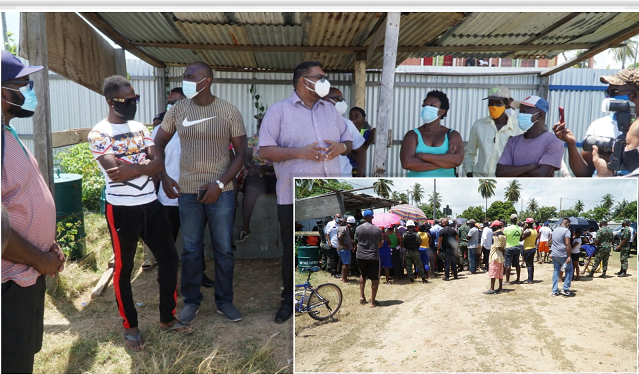
Shoppers at Bourda market in Georgetown
Guyana’s food system has been affected by loss of income, limited access to food, markets, shops and labour shortage. These are among the key findings of a study done on the impact of COVID-10 on the local food system by CARICOM and the Food and Agriculture Organisation (FAO) with oversight from the Ministry of Agriculture.
More than 1100 persons from across the country participated in this study of which the data was garnered using an online survey.
The study which focused on among other things, production, consumption and the livelihood of farmers and vendors found that the majority of farmers and fisherfolks reported “a reduction in overall income from May to July,” in comparison with the same period in 2019.
Livestock farmers were faced with production difficulties the study found as they cited limited access to feed, supply chain and processing and retail/market issues. The fisherfolks reported difficulties in marketing fish and cited “decreased prices” as among the challenges the study said.
Consumers like producers were unable to access markets and other places to buy food items due to the COVID-19 restrictions the study also found. It listed the closure of food shops, transport limitations and loss of wages as among the issues that affected consumers.
This compounded access to food, the study said as they found persons consumed lesser “quantities of nutritious foods because there was not enough food or money to feed household members,” the study found.
The provision of seeds, planting materials, restocking of livestock and supply of critical inputs mainly for most vulnerable and female-headed households were among the recommendations of the study.
The study also recommended emergency employment and cash transfer or cash for work programmes for the most vulnerable or casual/seasonal workers. It is also recommending “a systematic stocktaking of experiences and lessons learnt from COVID 19” as a long-term strategy that can be integrated into the country’s national and sectoral plans and frameworks.