President Trump orders new Iran blockade, vows to secure Hormuz
July 11 2026
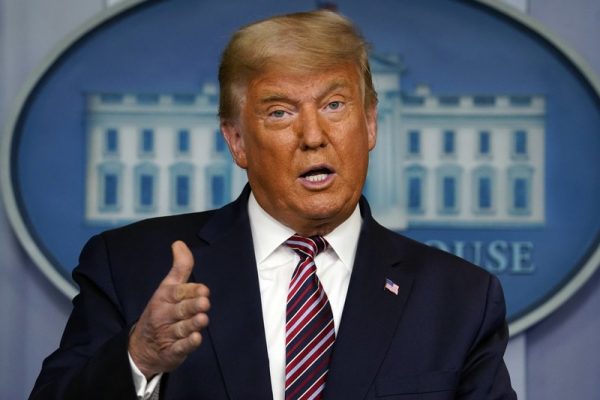
President Donald Trump announced Monday that the United States will reinstate its naval blockade targeting Iran and assume what he described as the role of “guardian” of the Strait of Hormuz, one of the world’s most strategically important maritime chokepoints.
In a series of public statements, Trump said the U.S. military would protect commercial navigation through the waterway while imposing a 20% fee on cargo transiting the strait to help offset the costs of maintaining security operations. He said the blockade would target Iranian shipping and vessels supporting Iran, while commercial traffic from other nations would continue under U.S. protection.
The announcement follows a renewed escalation in hostilities between the United States and Iran after fresh military exchanges over the weekend.
Trump declared that the previous pause in U.S. enforcement had ended, accusing Tehran of violating earlier understandings aimed at reducing tensions in the region.
Iran swiftly rejected Washington’s announcement, insisting that the United States has no legal authority to control or administer the Strait of Hormuz. Iranian officials have continued to assert their own authority over the waterway, setting the stage for a further diplomatic and military confrontation.
The Strait of Hormuz remains one of the world’s most critical energy corridors, carrying a significant share of global crude oil and liquefied natural gas exports. Any disruption to shipping through the narrow passage has immediate implications for international energy markets and global trade.
Financial markets reacted quickly to the latest developments, with oil prices climbing sharply amid fears that prolonged military tensions could disrupt global energy supplies and commercial shipping.
Shipping companies, insurers and international governments are closely monitoring the situation as questions remain over how the proposed cargo fees would be enforced and whether other nations will recognize the U.S. role as the waterway’s “guardian.” The announcement is expected to intensify geopolitical tensions across the Middle East and could have far-reaching consequences for global commerce and regional security.