Tennessee execution attempt fails after two drug doses
October 2 2026
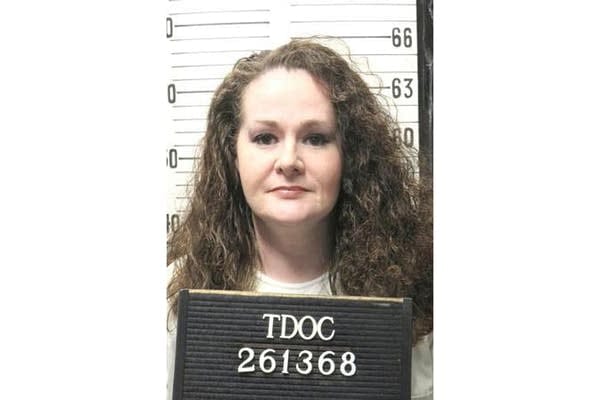
Tennessee officials were unable to carry out the execution of death-row inmate Christa Gail Pike on Wednesday night, September 30, after authorities administered two doses of pentobarbital but she remained alive, according to media witnesses and court filings.
Pike, 50, had been scheduled to die by lethal injection for the 1995 killing of 19-year-old Colleen Slemmer, a classmate at a job-training facility in Knoxville. Pike was 18 when the murder occurred.
Media witnesses reported that Pike remained conscious during portions of the procedure and could later be heard loudly snoring after the second dose was administered. She was subsequently transported from the prison to an off-site medical facility, according to the Tennessee Department of Correction.
Pike’s attorneys filed emergency legal motions Wednesday night seeking to halt the execution. They argued that she was experiencing “unnecessary agony” and that continuing the procedure would violate constitutional protections against cruel and unusual punishment.
The failed execution followed a series of legal developments earlier in the day. The U.S. Court of Appeals for the Sixth Circuit had temporarily stayed the execution, but the U.S. Supreme Court later vacated that stay, allowing Tennessee to proceed. Three justices Sonia Sotomayor, Elena Kagan and Ketanji Brown Jackson dissented from the decision.
The Supreme Court’s public docket also shows that Pike had sought a stay based partly on claims involving mitigation evidence related to severe sexual abuse she allegedly experienced as a child. Her application was denied on September 29.
Following the failed execution, Tennessee Gov. Bill Lee ordered a comprehensive third-party review into what happened and halted the state’s remaining scheduled execution for 2026. Lee said the state must determine why the execution did not proceed as intended.
The Tennessee Department of Correction said it followed the state’s established execution protocol and that the protocol does not authorize additional procedures beyond those carried out Wednesday night.
Pike’s case has attracted national attention because, if successfully executed, she would have been the first woman put to death by Tennessee in more than 200 years. According to the Death Penalty Information Center, only 18 women have been executed in the United States since the death penalty was reinstated nationally in 1976.
The execution attempt also marks the second time in 2026 that Tennessee has been unable to complete an execution. In May, officials abandoned the lethal-injection attempt against Tony Chatman Carruthers after reportedly being unable to establish suitable intravenous access.
Pike and her boyfriend were convicted in Slemmer’s killing. Pike has not disputed her involvement in the murder, while her legal team has argued that her age at the time, history of abuse and mental-health circumstances should have received greater consideration during sentencing.
As of Thursday, officials had not publicly provided a detailed explanation of why the lethal-injection procedure failed or released a full account of Pike’s medical condition following her transfer to the hospital.