Browne secures dominant fourth term as Antigua navigates U.S. visa dispute
May 1 2026
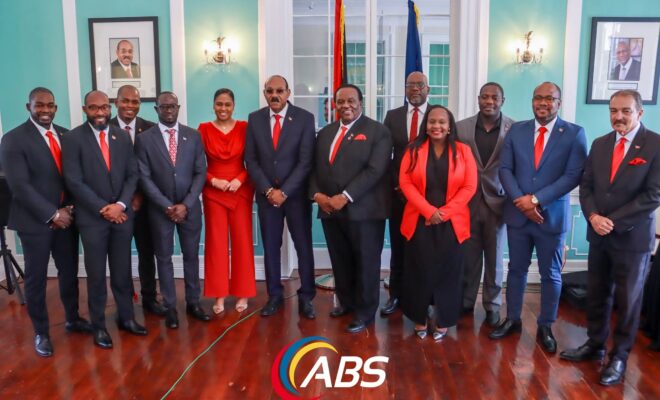
Prime Minister Gaston Browne has secured a decisive fourth consecutive term in office following a landslide victory in Antigua and Barbuda’s snap general election, reinforcing his political dominance amid mounting international pressures.
Preliminary results show Browne’s Antigua and Barbuda Labour Party capturing 15 of the 17 seats in parliament, significantly expanding its majority and leaving the opposition United Progressive Party with just one seat. A second vote count is expected to formally confirm the outcome, which has already been widely recognized as a clear mandate from voters.
The election called two years ahead of schedule was largely shaped by economic concerns and a diplomatic dispute with the United States. Washington’s suspension of visa processing for Antiguan and Barbudan nationals became a central campaign issue, raising concerns among citizens who rely on travel to the U.S. for work and family connections.
U.S. officials linked the move to security concerns surrounding the country’s Citizenship by Investment Programme, arguing it could be exploited by criminal actors. In response, Browne’s administration has introduced reforms aimed at strengthening transparency and regulatory oversight while maintaining engagement with U.S. authorities.
Despite these tensions, Browne campaigned heavily on economic stability and growth, pointing to a post-pandemic rebound in tourism and ongoing infrastructure development as evidence of his government’s performance. His early election call was framed as a bid to secure a renewed mandate to navigate global uncertainty and protect national interests.
The scale of the victory underscores both the ruling party’s organizational strength and the weakened position of the opposition, which struggled to convert public support into parliamentary gains. Political analysts have suggested that internal divisions within opposition ranks further contributed to the outcome.
With a strengthened majority, Browne now enters his fourth term with a clear parliamentary advantage, positioning his administration to advance its economic agenda while addressing ongoing international challenges, particularly relations with the United States.